Trending for 2026: Off-Site Manufacturing
January 6, 2026
As we head into a new year, we are looking ahead to what changes we expect to see in the construction world. Above all, we anticipate an increase in off-site manufacturing across all industries.
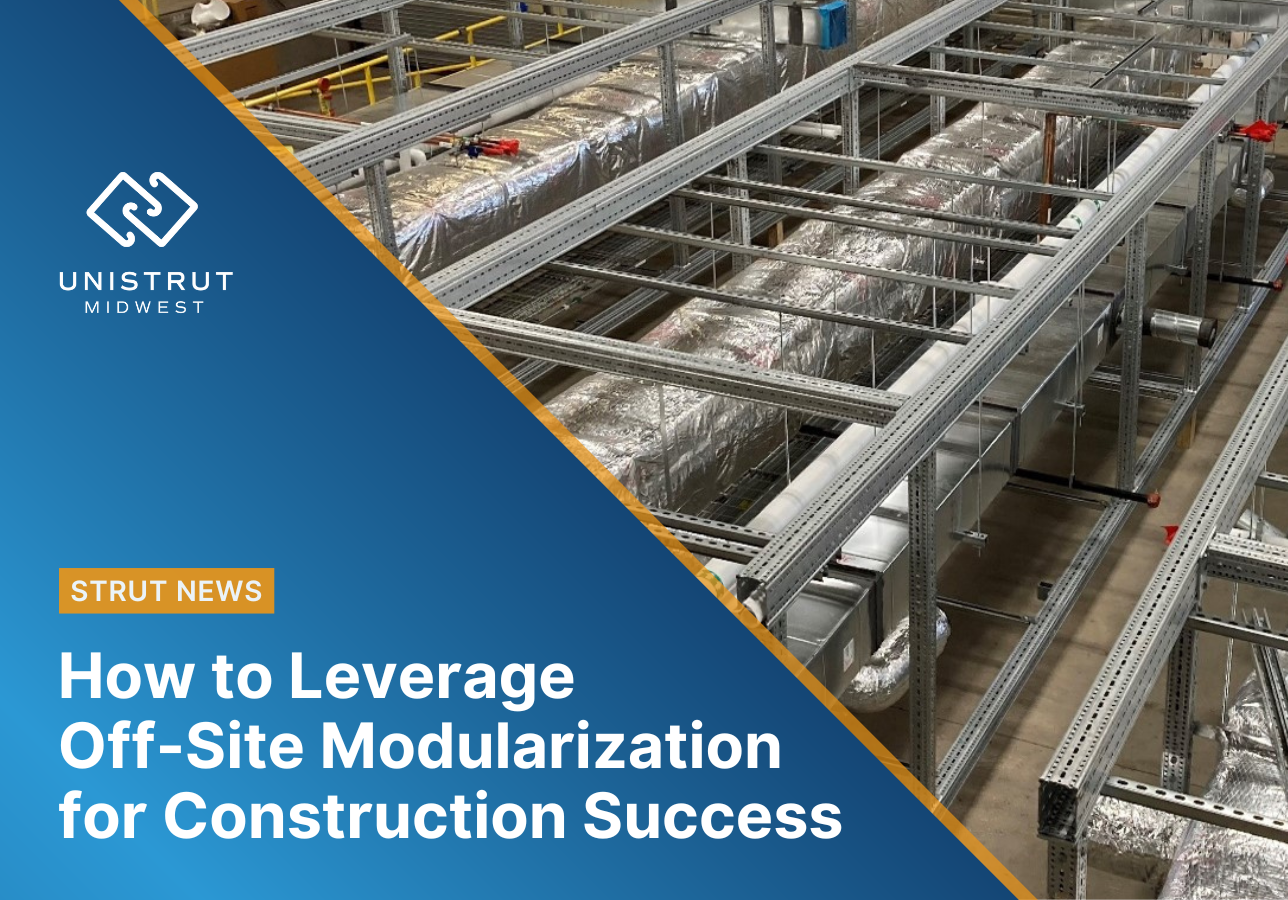
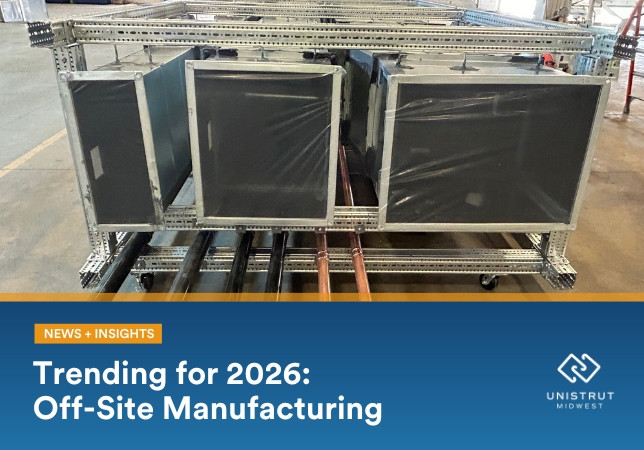
The basis of off-site manufacturing is that anything that can be done ahead of time – whether that's cutting channel to size, pre-assembling fittings, or building entire systems – is completed off-site and delivered to the work site once it is ready for installation. This offers more quality control, better sustainability by reducing scrap, increases safety for team members, and greatly increases speed to market. With so many benefits, we expect to see off-site manufacturing applied in a number of ways this year.
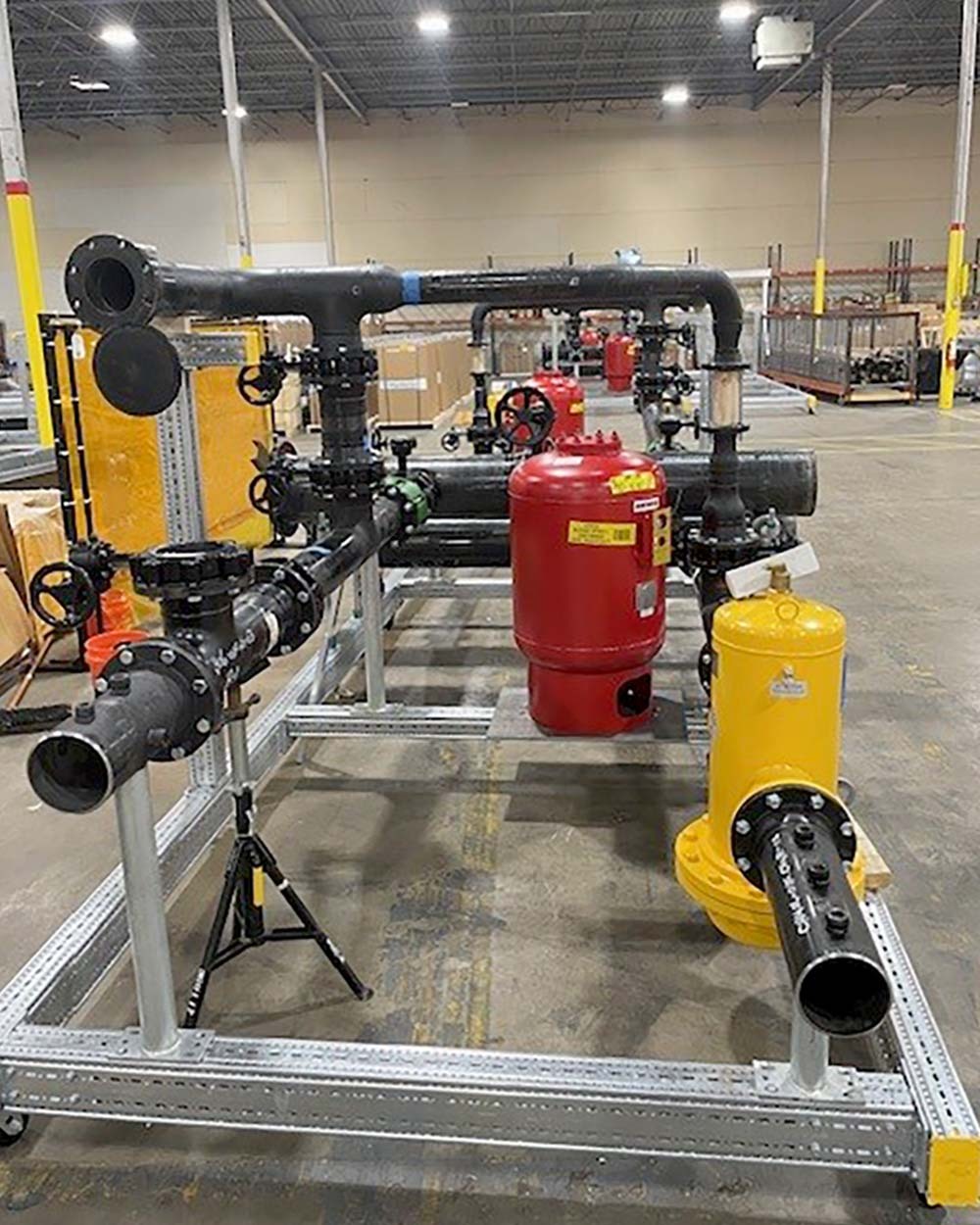
Off-Site Manufacturing for Electrical and Mechanical Skids
Our team is predicting an increase in electrical and mechanical skids for 2026 due to their ability to be assembled off-site and dropped into place. These solutions are ideal candidates for prefabrication services as the entire skid can be constructed at ground level in a warehouse, then transported to the jobsite and lifted into place. This leads to results like 70 pieces of equipment installed in a single afternoon, a timeline that simply isn't achievable with traditional construction methods.
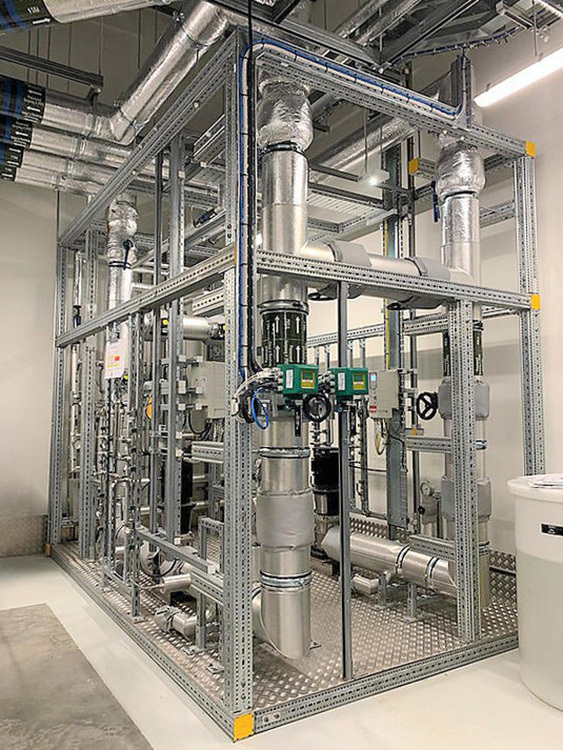
Off-Site Manufacturing for Healthcare
The healthcare construction field will continue to grow and change rapidly this year as contractors work to keep up with demand. Hospital construction specifically can become overwhelming; with so many different trades required for a build and the ever-shortening timeline expectations in the industry, the schedule can get out of hand fast. That's why we predict that healthcare construction general contractors will increasingly adopt off-site manufacturing.
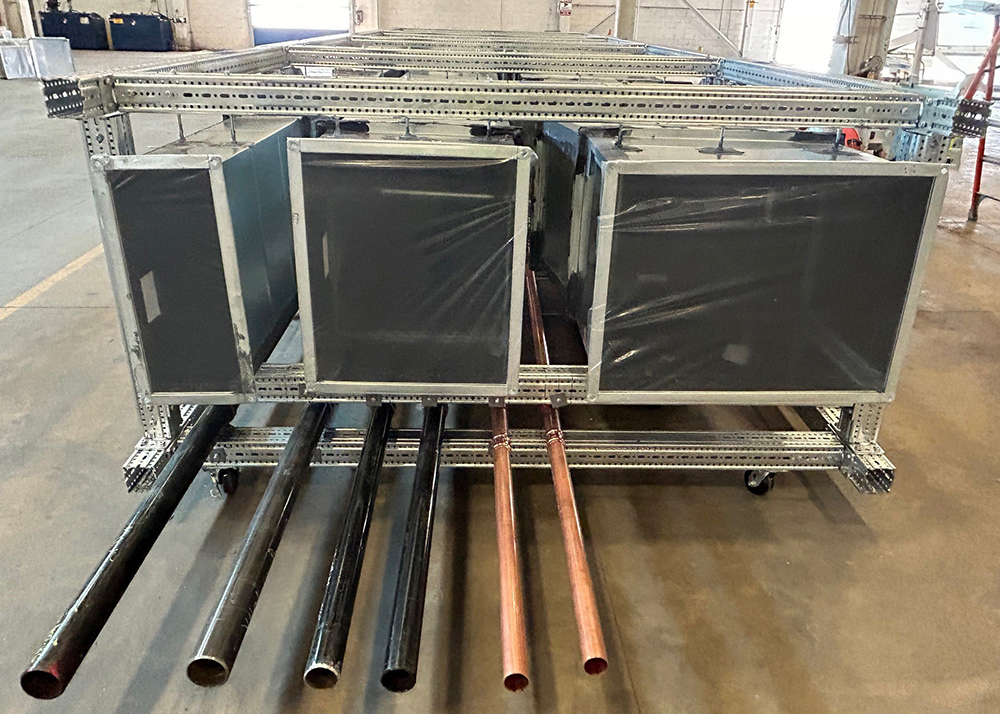
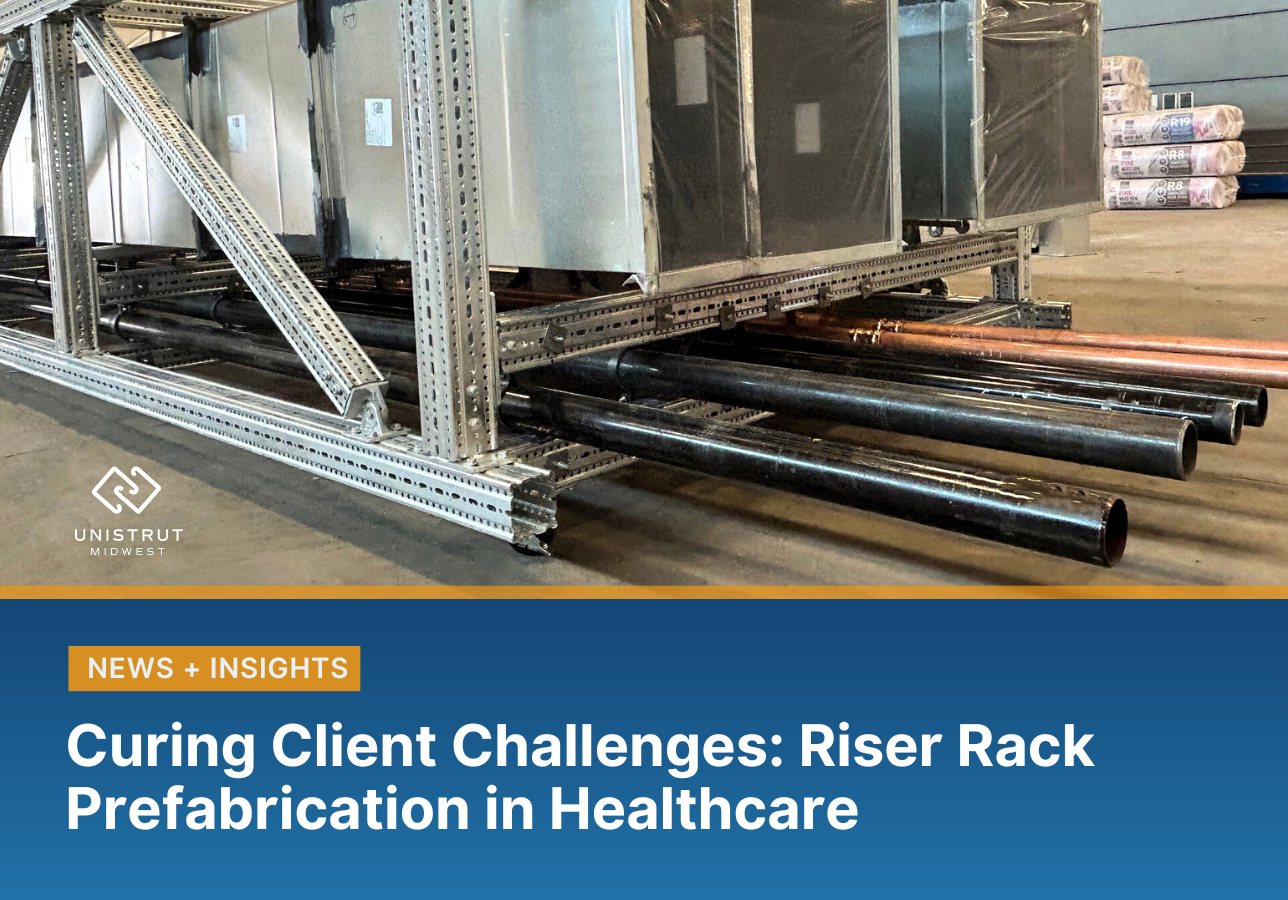
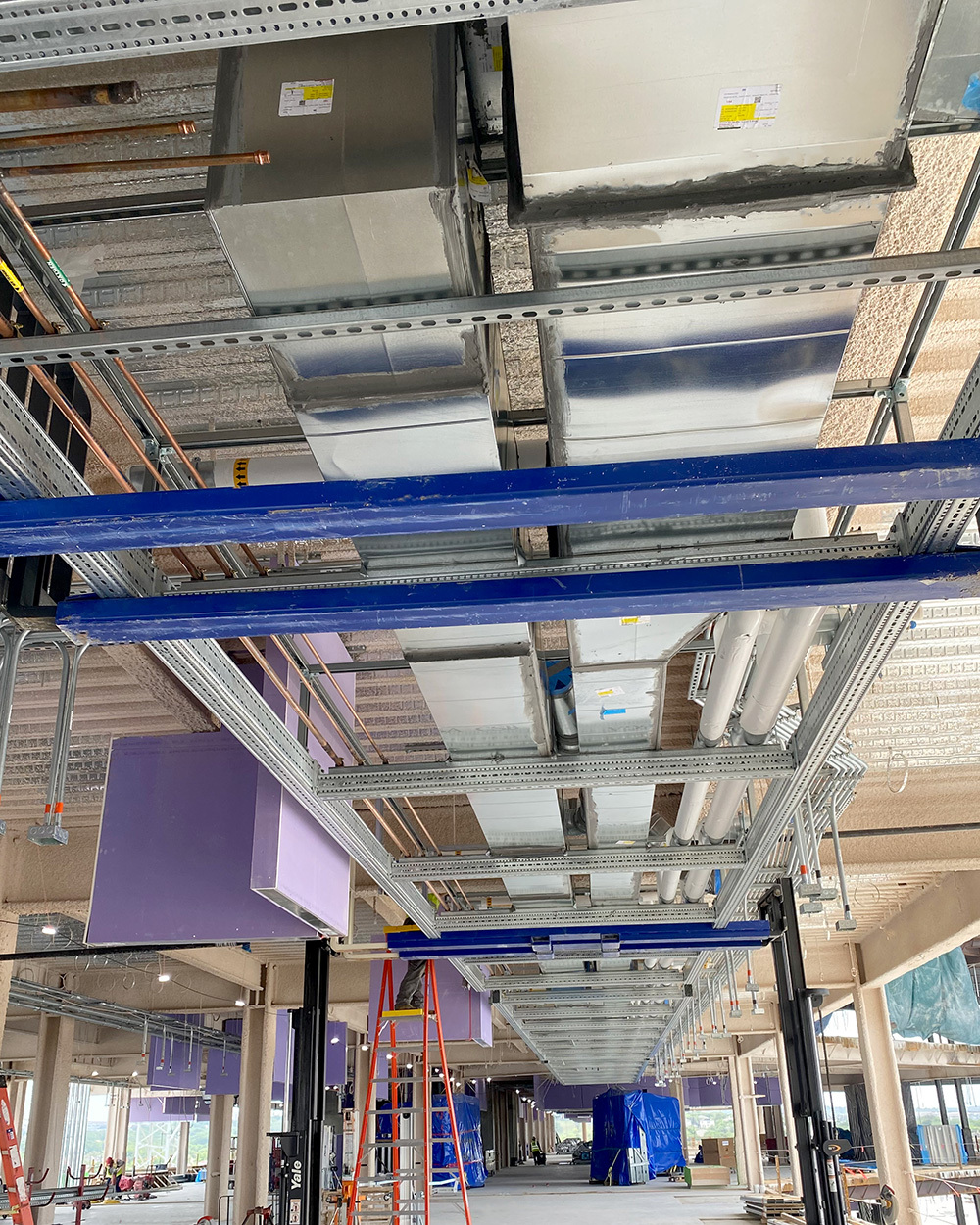
Prefabricating solutions like riser racks, multi-trade racks, and medical equipment supports off-site are some of the most effective ways to meet tight timeline goals. By building solutions off-site and then delivering them for installation, hospital construction projects will see reduced on-site man-hours, which increases safety. This is a huge factor to consider for hectic and crowded medical construction worksites. In addition, off-site construction provides significant efficiencies that can allow healthcare facilities to shave weeks or months off of traditionally built structures. And off-site manufacturing of modular solutions like Unistrut and Sikla allows for both the precise adjustments needed when constructing in a medical setting and future changes to support systems when equipment needs to be upgraded or a room is repurposed.
Off-Site Manufacturing for Data Centers
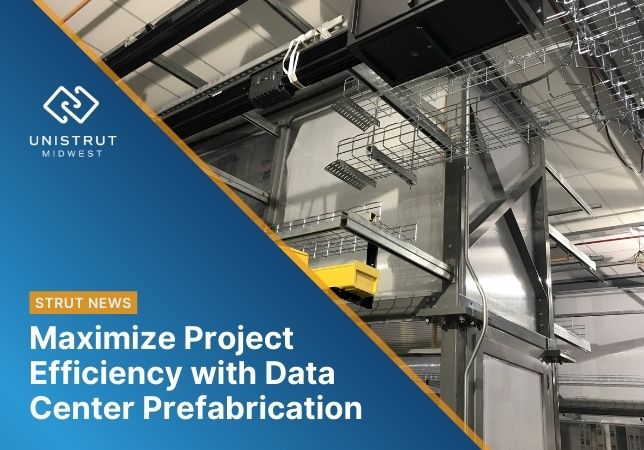
As we've seen in the past, data centers are only continuing to grow in size and power with the rise of AI. As the physical size of both servers and the buildings that house them increases, we predict that off-site manufacturing will become increasingly critical for data center construction. With so much square footage to cover, general contractors will be looking for any way to speed up timelines. That's where off-site manufacturing steps in.
With larger, heavier servers comes more demanding cooling and electrical needs, and we have seen a return to raised access floors to accommodate those requirements. Elevating these expensive servers above liquid cooling systems brings its own risks, leading some owners to consider redundancies in their support structures, like seismic supports, to protect their investment. Both raised access floors and their accompanying seismic supports can be kitted out or even partially assembled off-site before being delivered to the data center. This speeds up installation timelines, especially when dealing with hundreds of thousands of square feet of jobsite.
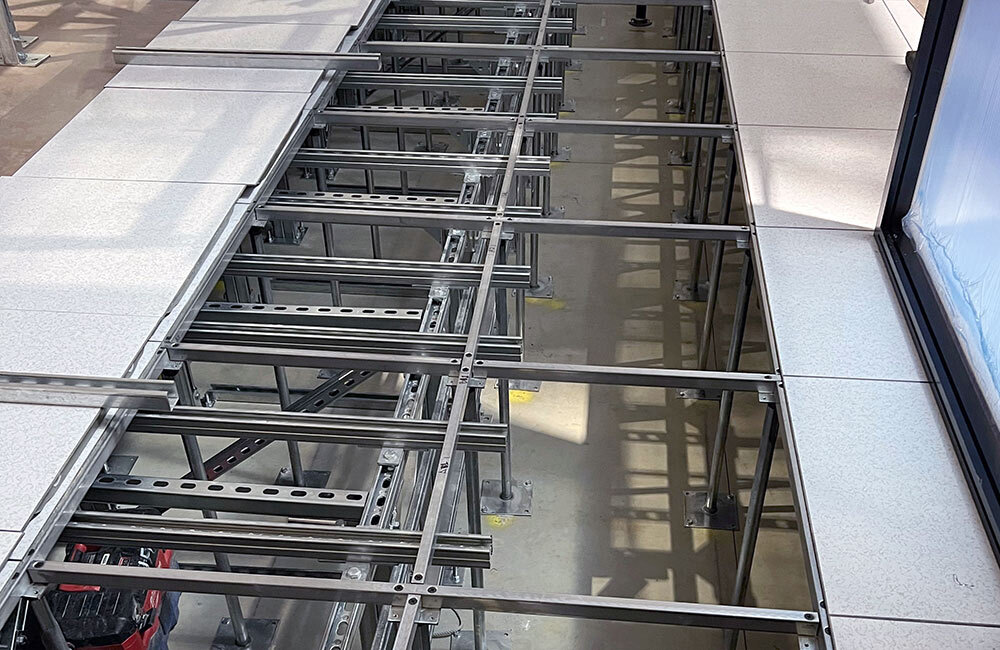
Other candidates for data center off-site manufacturing are multi-trade racks, ground mount containment systems, generator yard supports, and chilled water racks. We even predict that entire rows of server aisles will be built off-site and dropped into place for installation. As the physical size of assemblies in data centers grows, off-site manufacturing of all possible components will be critical to maintaining project timelines.
Off-site manufacturing isn't limited to just these applications. The speed to market can benefit any industry, and we predict that off-site manufacturing will only continue to grow throughout the construction industry.
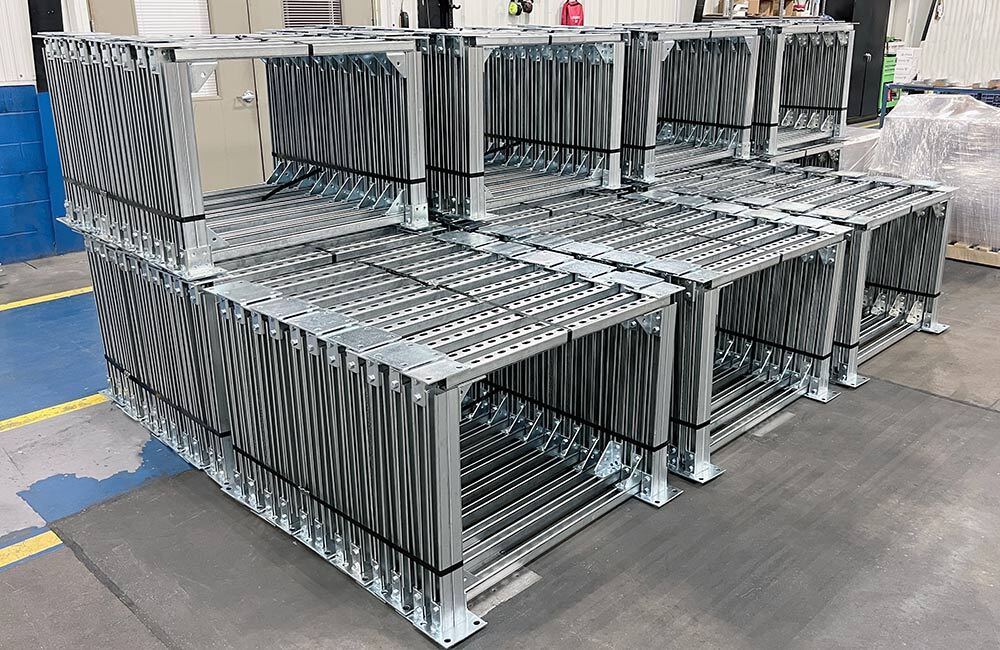
With decades of experience in modular construction, engineering, and prefabrication, Unistrut Midwest team members are experts in applying off-site manufacturing to any construction project. Find out how this strategy can benefit your next project by getting in touch with our team.
More News + Insights