
Earth Day 2026: Unistrut Midwest's Sustainable Materials and Practices
April 22, 2026
On Earth Day, we celebrate our planet and the worldwide mission to broaden, educate, and activate the environmental movement. With a goal of driving positive action for our planet, Earth Day is an opportunity to take stock of how Unistrut Midwest, our products, and our practices promote sustainability year-round.
Sustainable Products: Unistrut and Sikla
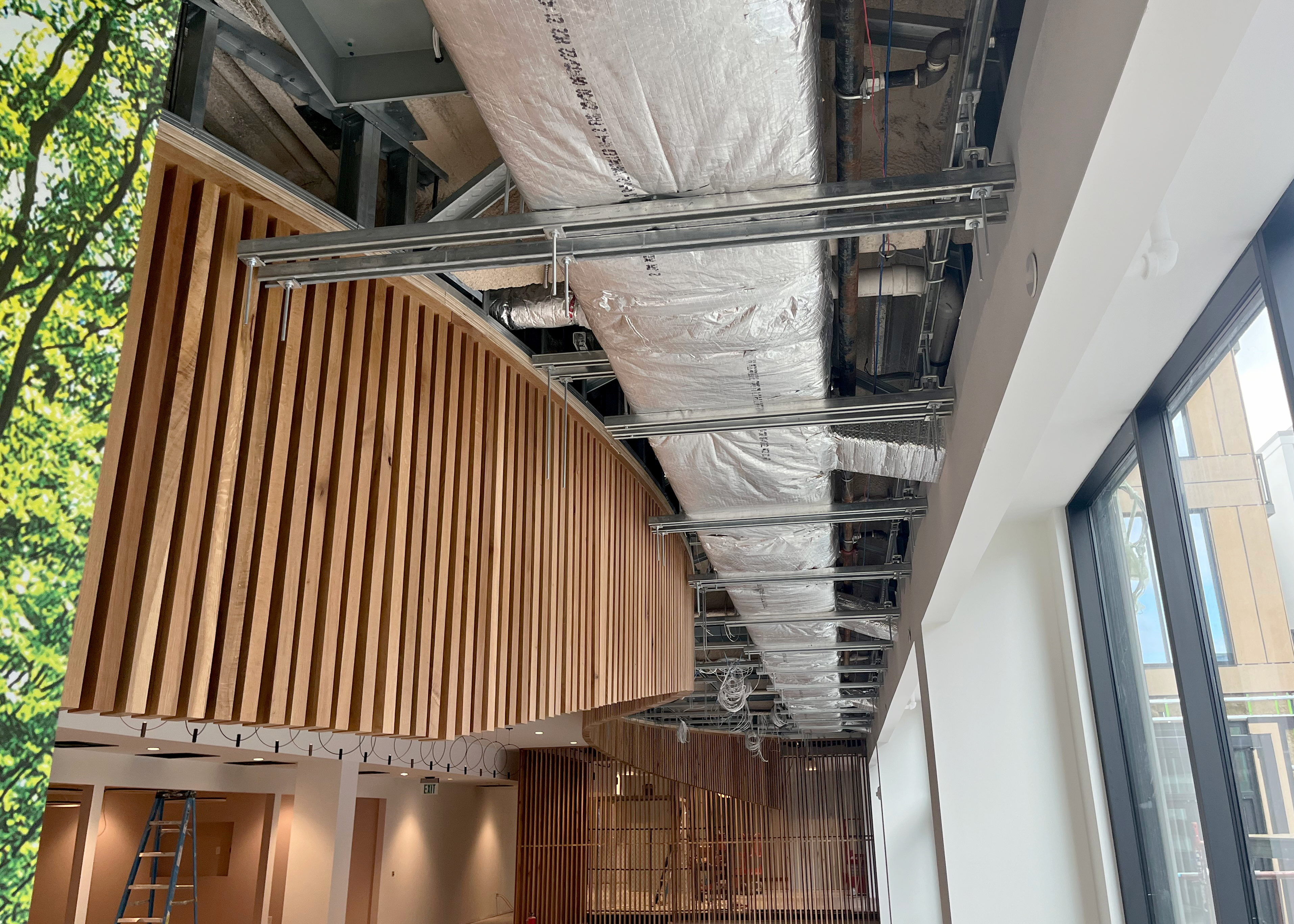
Our two primary product lines, Unistrut and Sikla, are inherently designed to reduce waste. Both systems are modular and weldless, forming connections with only screws, nuts, and other basic fastening hardware. This connection method significantly reduces waste in a build, especially when compared to traditional welded supports.
When working with welded steel, the system is not adjustable if conditions in the field don’t match the BIM model. This often leads to cutting out the incorrect material, discarding it, replacing the material, and rewelding to correct the issues, wasting material and time. Whereas the pieces of any Sikla or Unistrut build are reusable and feature the ability to connect at any point on the beam to adjust to as-built conditions. This eliminates the need for precision cutting, reducing waste when making adjustments or redesigning supports.
While this feature is, of course, beneficial for small changes and adjustments, it also allows Unistrut specifically to be repurposed. When redesigning a system to meet new requirements, the existing Unistrut channel can be reused in the new configuration. Whether that means attaching new structures to existing systems or completely dismantling a Unistrut support and rebuilding a new design with the same materials, one Unistrut channel can serve through many iterations. Putting existing materials to use helps keep strut out of the landfill.
Sikla can also be reused thanks to its weldless connection and reusable screws. Even without precision cutting, nothing in a Sikla build needs to be wasted, and minimizing waste at each project adds up over time.
Sikla is committed to sustainability practices on a corporate level as well. Their sustainability goals include operating as climate neutral by 2030, implementing the ISO 14001:2015 certification for environmental management, publishing annual sustainability reports, and achieving the highest possible recycling rate. Their goal is to set science-based climate targets as part of the Science Based Target Initiative (STBi).
Sustainable Practices: Prefabrication
We increase our sustainable practices by leveraging these reusable materials in less wasteful ways. Our team prioritizes reducing material waste and improving efficiency through prefabrication.
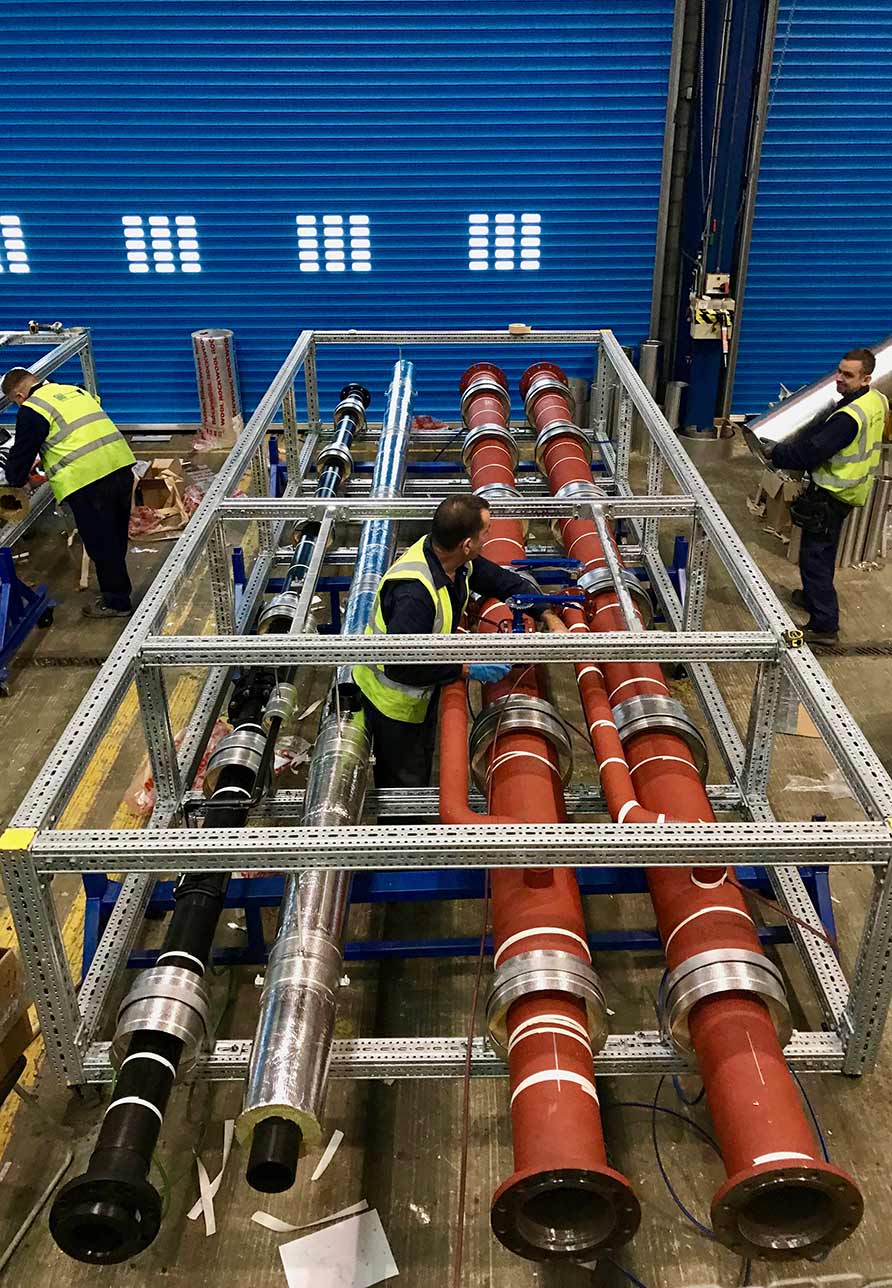
Instead of building on-site, we engineer our support solutions to be built in our warehouse and then transported to the job site for installation. This allows us to plan out builds to use material strategically, limiting wasted materials. Any scrap pieces can be saved for future use in our warehouse, as opposed to scrap created on a job site that is simply thrown away.
This pre-planning can also include coordination with trades. This can help reduce material since some support structures can accommodate more than one trade. For example, it may be found that the ceiling grid intended to support lights can also support electrical lines. Planning for that dual purpose prior to the build eliminates the need for the electricians to install their own supports, ultimately saving time and material.
By leveraging more sustainable materials in ways that consciously reduce waste, the Unistrut Midwest team is working to create new solutions while limiting our environmental impact.
Do you have sustainability standards for your next project? Contact our team to see if our solutions can help meet your goals.