

Improving Timelines Through Automated Processes
Posted by Sean Smith on July 29, 2026
Although I've only been a sales engineer at Unistrut Midwest for a short time, I was entrusted with creating improvements to the sales engineering process. I have created a few tools to not only help make my job a little smoother, but to ease some pain points for the overall team, ultimately saving time and improving accuracy for our customers.

Material Takeoff Automation
One of my responsibilities as a sales engineer is to compile a full bill of materials for new projects. This involves reviewing our 3D shop drawings and breaking them down into all the materials needed to build each engineered solution. I am able to complete that task faster and more accurately thanks to an automated process that I developed.
I used AI software development to write Python scripts that scan our 3D shop drawing PDFs and export that data into an Excel spreadsheet. Next, it runs the spreadsheet through a cut optimizer and matches the material items to our price sheets. The result is a fully populated bill of materials and a detailed cut list, each of which is verified by a team member.
This helps us save time in two ways. First, we are able to turn those bills of materials around the same day that we receive finalized drawings from clients, which helps keep the job process moving. Second, by creating a cut list through this automation, it takes a job off of the fab shop's plate. The fab shop team would typically build a cut list themselves, but we can now send those directions to them, removing a time-consuming task and allowing them to spend more time on other projects. This helps keep our customer projects running smoothly.
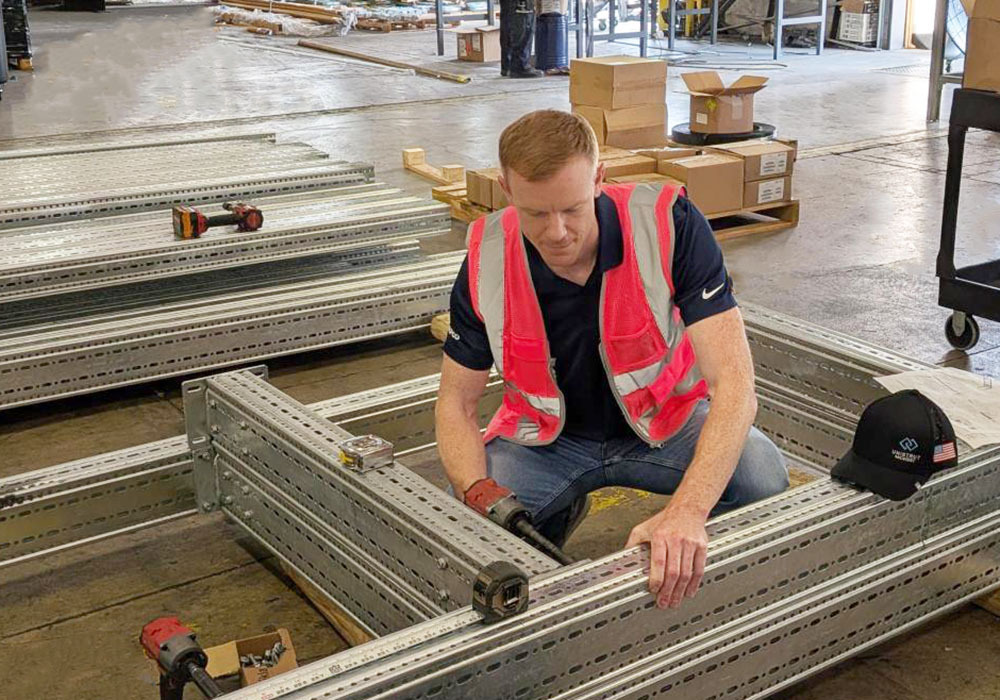
These automated documents are also very accurate and detailed. The cut list, for example, includes a report on any material waste from offcuts, as well as the material cost. This is helpful information to have in the event of engineering changes and a requote.
Of course, we always have a team member double-check the automated documents. Even with that step, by automating these processes, we have been able to cut days off of the time between receiving finalized drawings and beginning to cut material.
Inventory Forecasting Visualization
We do a fantastic job of ensuring necessary material is kept in stock in our warehouses, which allows us to build without delays, but often when engineering changes are made in the design phase, new components are added that were initially not anticipated. I created a separate tool for inventory forecasting to help quickly confirm if all components are in stock or low quantity. This has helped our team identify low-stock items days and weeks before they run out, allowing us to identify parts that need to be restocked quickly.
I worked closely with Matt Geig, our buyer, to create an automated tool that helps us identify which components will consume our inventory the quickest, being able to easily trigger a purchase order when quantities run low or demand increases. It assesses what components the upcoming project will need and what that material’s status is in our inventory system. This lets the purchasing department know about future consumption, which helps them with their planning.
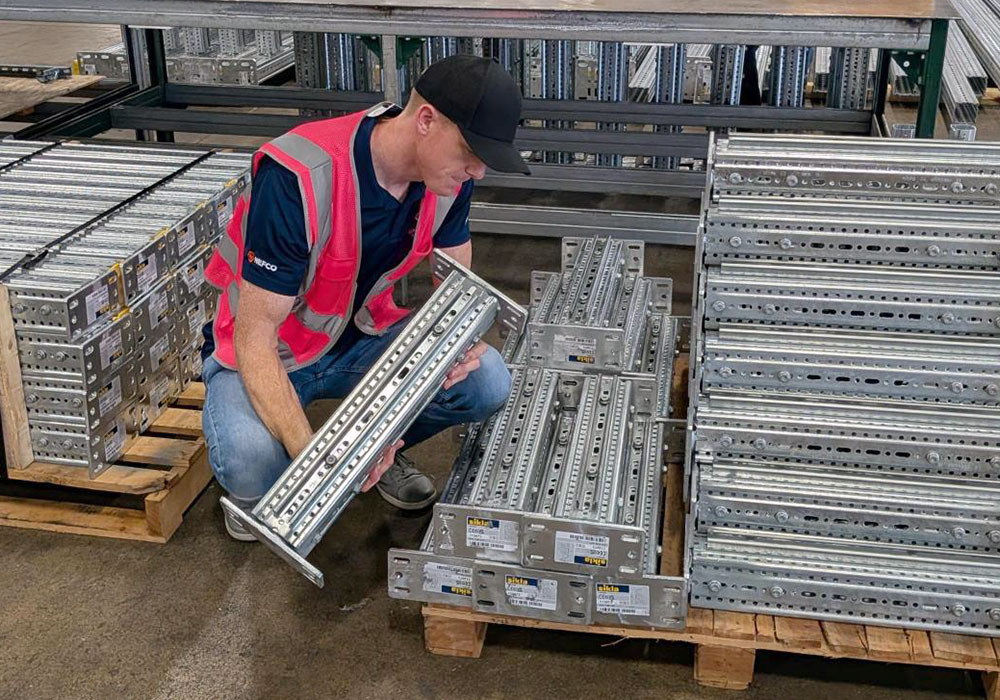
With current supply chain constraints, it can be difficult to restock certain items on short notice. By automating the process on the sales side, we're able to give purchasing more lead time to source material.
Our team was already committed to providing our customers with the best service possible, and these automated tools help us take that commitment even further. By reducing time-consuming manual processes internally, we are able to get projects into production faster than ever before, helping our customers meet their demanding timelines.
About the Author:
Sean Smith recently joined Unistrut Midwest as a Sales Engineer after serving for ten years in the Navy as a pilot.
More News + Insights